
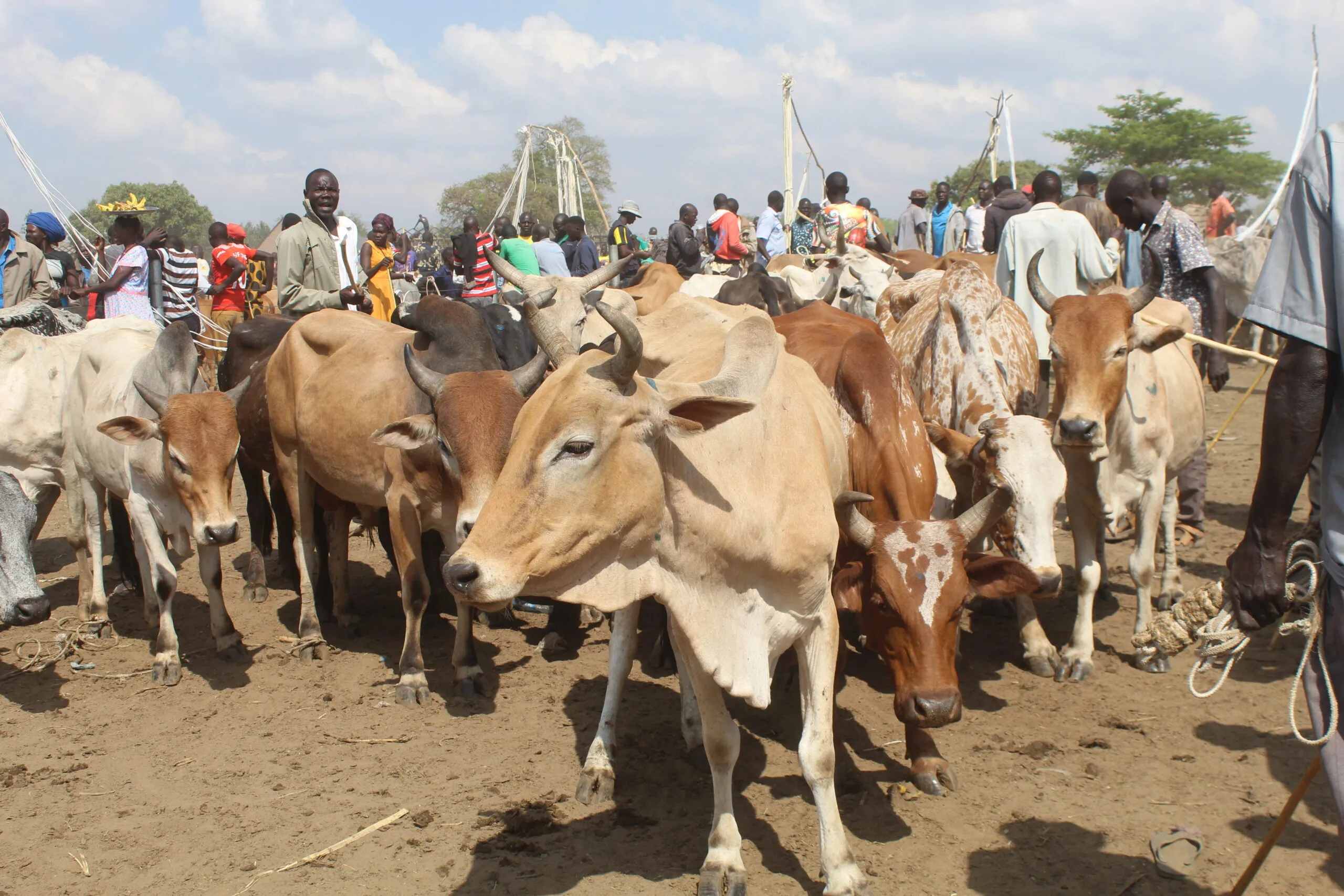
Under the initiative, each beneficiary household is expected to receive Shs5 million in cash, equivalent to the value of five head of cattle. Priority under the first phase has been given to elderly persons, widows and widowers, former abductees, female-headed households, unemployed and unskilled youth, as well as persons with disabilities.
URN
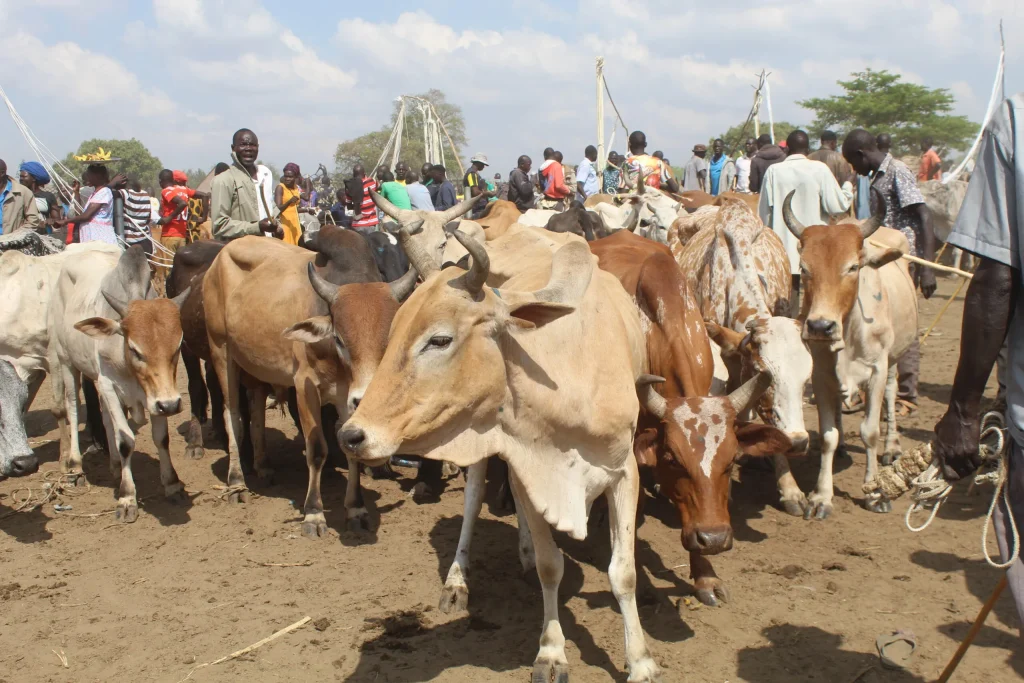
Beneficiaries of the government cattle restocking programme in Northern Uganda have to wait a little longer has payments have been delayed due to slow registration and verification processes, according to State Minister for Northern Uganda Rehabilitation, Kenneth Omona.
The government had planned to begin disbursing funds on Thursday, May 7, 2026, under the first phase of the programme for the 2025/26 financial year, targeting selected households in the Acholi, Lango and Teso sub-regions.
However, Dr Omona said the payments could not commence as scheduled because local leaders, community members and district officials are still verifying the identities of intended beneficiaries.
Under the initiative, each beneficiary household is expected to receive Shs5 million in cash, equivalent to the value of five head of cattle. Priority under the first phase has been given to elderly persons, widows and widowers, former abductees, female-headed households, unemployed and unskilled youth, as well as persons with disabilities.
In Amuru District alone, 62,150 households are expected to benefit from the programme, with the district receiving Shs3 billion for implementation across 58 parishes.
Speaking during the first-ever community baraza organised by his office at Labala Primary School in Pabbo Sub-county on Thursday, the minister said the verification exercise is taking longer than expected but is necessary to ensure transparency and prevent irregularities.
He expressed optimism that payments could begin by May 30 once at least 90 per cent of the verification process is completed.
According to Dr Omona, local governments and community leaders have been tasked with conducting the verification exercise to ensure only genuine beneficiaries are selected.
He added that community barazas aimed at publicly vetting beneficiaries will begin in several parishes in Amuru District starting Friday, especially in areas where complaints about irregularities have emerged.
“We are insisting on transparency in identifying beneficiaries. People must openly verify and confirm those selected. By the end of this month, we hope to pay out those who have been verified,” Dr Omona said.
He also warned beneficiaries against diverting the funds to other activities, stressing that the money is strictly intended for the purchase of livestock.
Omona further revealed that the government has already earmarked 100 billion Shillings for the second phase of the programme in the 2026/27 financial year. The allocation is, however, lower than the Shs700 billion annual budget that Parliament had initially considered for the wider cattle compensation and restocking programme.
Dr Omona’s remarks come amid growing complaints over alleged irregularities in the registration process.
The Amuru Resident District Commissioner, Geoffrey Osborn Oceng, said his office has received numerous complaints from communities concerning the selection of beneficiaries.
According to Oceng, 23 complaints have so far been registered across the district, although only 12 were confirmed to be genuine cases linked to the ongoing registration exercise.
He said district leaders would address the concerns through community barazas, where residents will publicly verify the names of listed beneficiaries in the affected parishes.
Similar complaints have also emerged in Gulu City, where some local leaders were accused of registering relatives or listing more than one member from the same household as beneficiaries.
The allegations prompted city authorities last week to order fresh verification exercises in selected wards in Bardege-Layibi Division.
The cattle restocking programme, initiated following a Presidential directive issued on November 25, is intended to support economic recovery in the Acholi, Lango and Teso sub-regions, where thousands of households lost livestock during past insurgencies.
At least 1.6 million households in 13,570 villages across the three sub-regions are expected to benefit from the programme.
