
“Government needs to find a workable solution to address the current fuel prices since it’s a driving factor to livelihood and an engine to spur development in Uganda and particularly the Karamoja Sub-region, which still is recovering from insecurity that had plagued the regions for decades”, said Loporon.
By Alexander Mackey Okori
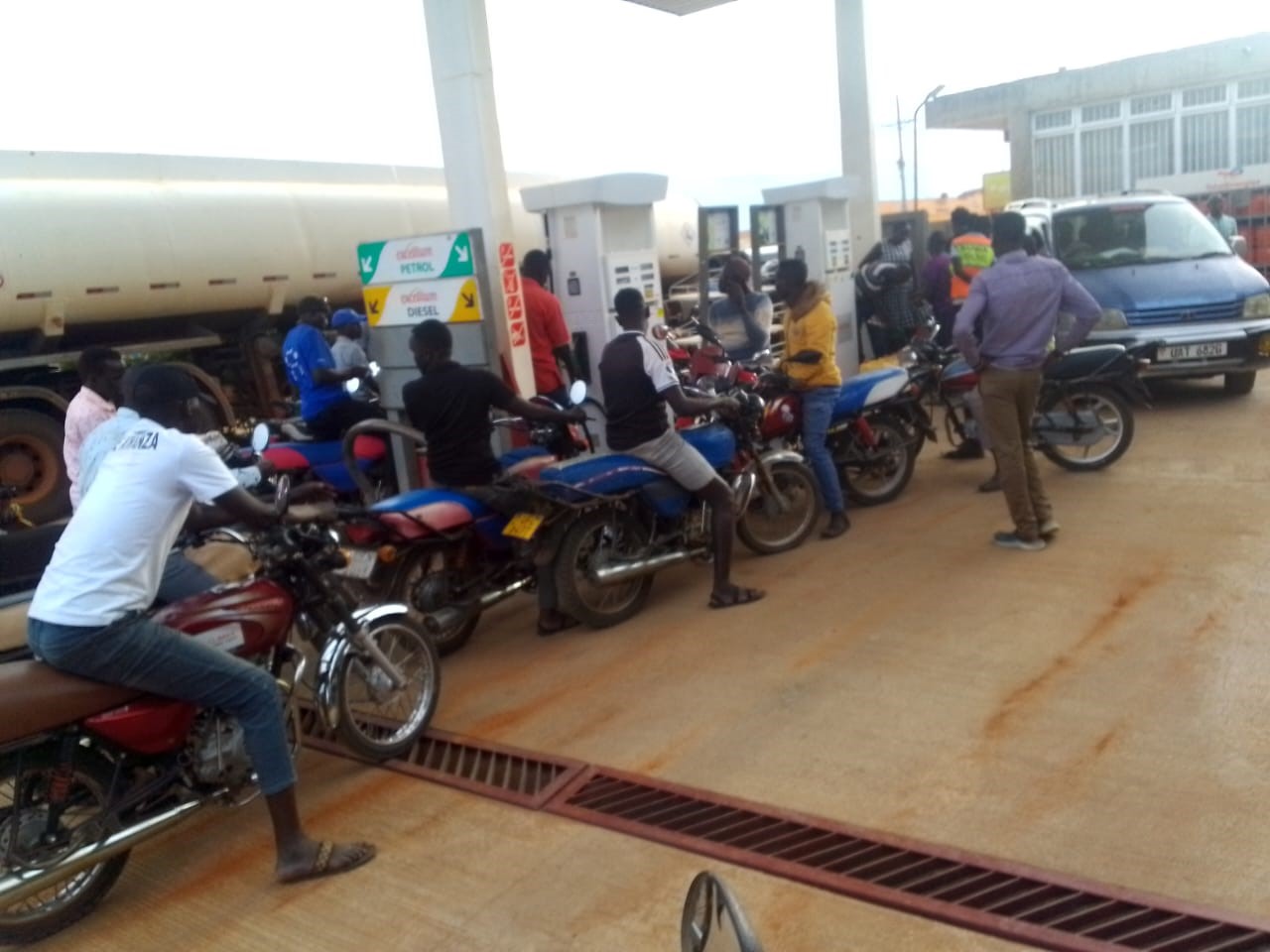
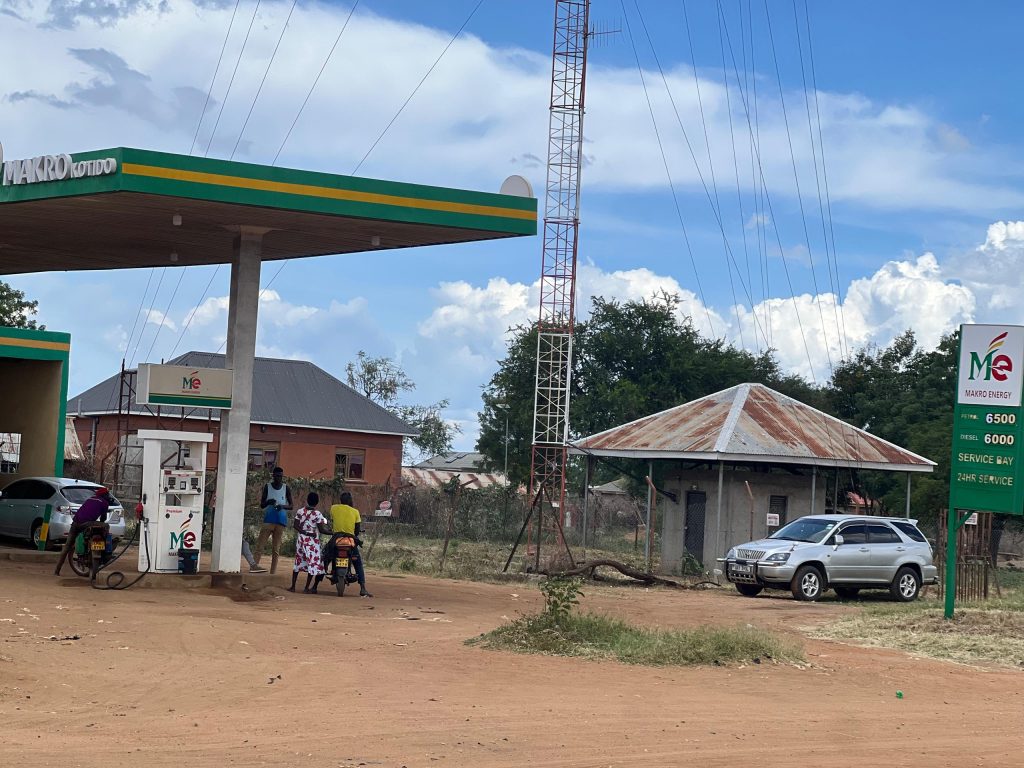
A cute fuel shortage has hit Kotido district with many petrol stations running dry, leaving motorists, boda-boda riders and other consumers scrambling for limited supplies.
The crisis linked to global supply disruptions and the tensions in Middle East involving Isreal, the United States and Iran has hit the transport sector hard, triggering panic among the public.
This happens despite repeated assurances from the government agencies and regulators that the country has sufficient fuel stock and there is not shortage.
On Monday, April 20, 2026, the Ministry of Energy and Uganda National Oil Company issued a joint statement highlighting that Uganda’s fuel supply was stable, sufficient and well managed after routine monitoring of the national stocks and supply chains.
“As of April 20, 2026, Uganda had 70.5 million litres of petrol, enough for 19 days of national coverage and 43.2 million litres of diesel for 12 days and 32 million litres of jet fuel for 53 days”, the statement read in part.
However, three days after the statement was issued, fuel stock outs were reported in several petrol stations across the country with rural areas being severely affected.
In Kotido Municipality by 10:00 AM on Thursday April 23, 2026, major stations like, TotalEngergies, MerokEnergies, Muria Gas, had gone completely dry and the attendants were seen sending motorists away, leaving Asli Energies to dominate the limited available supply.
The fuel shortage has triggered panic buying as motorists and boda-boda riders formed long queues at Asli Energies.
Daniel Oila, one of the boda-boda operators said that scarcity of fuel has led to increase in fuel prices, with a litre of petrol, which Shs 5,500 not costing Shs 10,000, while a litre of diesel now costs Shs 6,500 up from Shs 4,500.
Abraham Lopus and Valdo Lokwii among other boda-boda riders said the surge in fuel prices has severely affected their earnings, with many struggling to sustain daily operations.
The duo complained about shrinking earnings as commuters resist fare increase amidst tough times caused by high fuel costs due to limited supplies in town.
Oumo Raphael Teko, a medical personnel attached to Kamor health centre III who had come to pick drugs from Kotido General Hospital, said he was shocked after the attendant told him that the price for a litre of petrol has increased to Shs 10,000.
“I had come to pick drugs from the hospital and wanted to add some vehicle on the bike to take me back to Kamor. But I was surprised to learn that a litre now costs Shs 10,000 up from the previous price of Shs 5,500 and I didn’t know why the prices had shot up like that” said Teko.
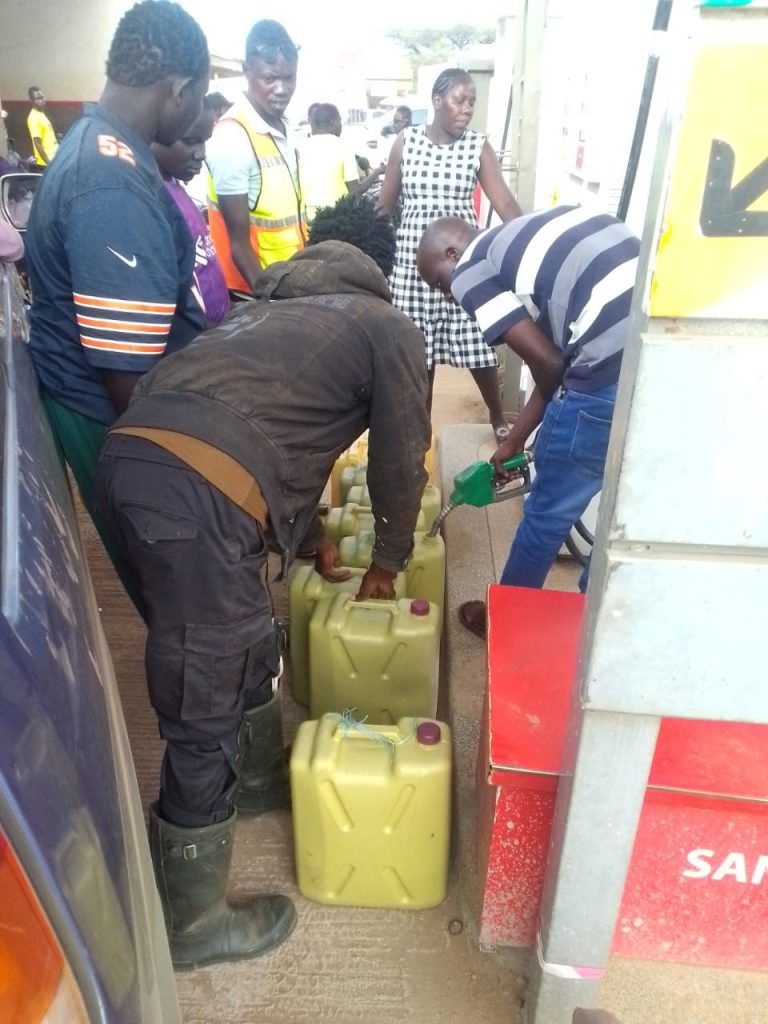
Gabriel Nangiro, a health educator attached to Panyangara health centre III said that some petrol stations owners with fuel supplies have taken the advantage of fuel stock out in other stations to hike the prices.
“Some petrol station owners are doing this deliberately to benefit from the crisis, but this is not fair. Let them follow government guidelines and sell fuel at the normal price, “urged Nangiro.
He said that high fuel prices triggered by limited supplies, has forced boda-boda riders to also hike transport fare for town services.
Nangiro stated that the fare from Kotido town to Kanawat in west division that used to be Shs 2000 is now Shs 4000, expressing worry uncertainty waiting to explode in coming days.
Raphael Loporon, a business man is worried that hike in fuel prices due to scarcity is likely to force out not only tax operators, boda-boda riders out of business but also traders as they can’t afford high transport costs.
He called on the government to ensure reliable fuel supplies and set standard prices for fuel across the country to prevent petrol station companies from hiking prices anyhow.
“Government needs to find a workable solution to address the current fuel prices since it’s a driving factor to livelihood and an engine to spur development in Uganda and particularly the Karamoja Sub-region, which still is recovering from insecurity that had plagued the regions for decades”, said Loporon.
As the situation remains uncertain on when fuel supplies and prices would stabilize, Ugandans are now banking hopes on oil shipment government announced would arrive into the country between May 1st and June, 2026.
According to the Ministry of Energy, Uganda expects an additional 183 million litres of petrol, 258 million litres of diesel, and 23 million litres of jet fuel.
The incoming fuel shipments wills add roughly 49 more days of petrol cover, 74 days for diesel, and 37 days for jet fuel, reflecting what officials called strong forward supply planning.
The Ministry of Energy has therefore advised the public to remain calm and avoid panic purchase because there is not cause for concern because of fuel availability.
