
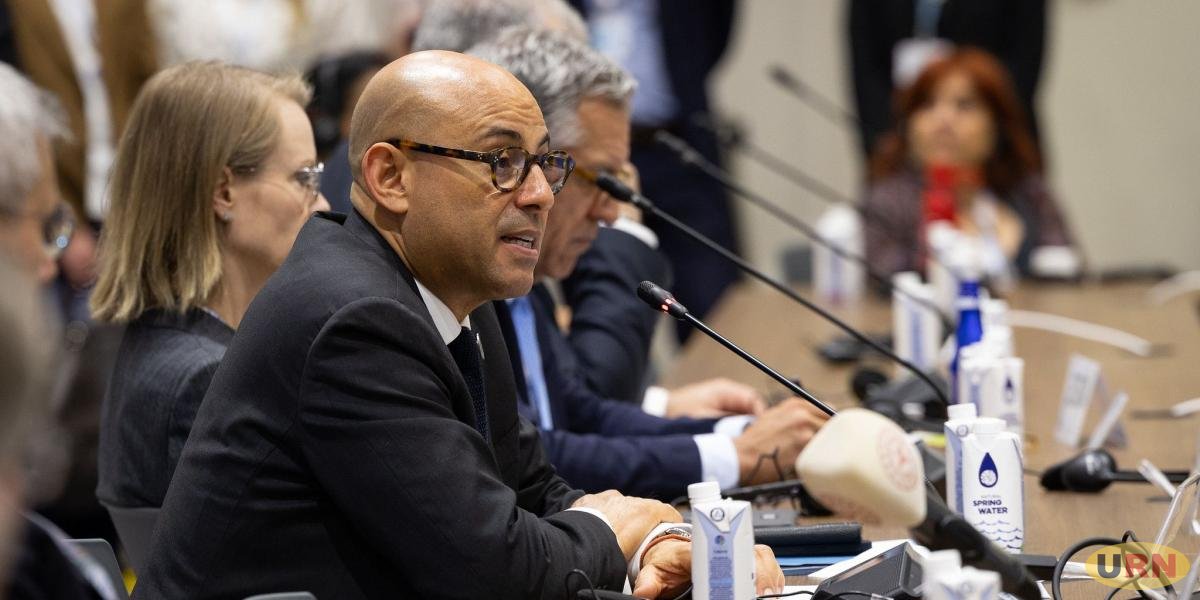
The growing impact of climate change on healthcare systems, including disruptions caused by extreme heat, floods and droughts, has prompted the United Nations to urge governments to prioritise health in their climate adaptation plans.
UN Climate Change Executive Secretary Simon Stiell said climate-related disasters were already affecting hospitals, homes and communities, making it harder for people to access essential medical services.
Speaking at the Health Day Ministerial Roundtable during the COP31 climate conference in Antalya, Türkiye, Stiell described how extreme weather can disrupt critical health services.
“A ward grows hotter. The power flickers. A refrigerator holding medicines fails. Floodwater enters a well. A mother in labour finds the road to the clinic cut off,” Stiell said. “In these moments, climate change is not measured on a chart. It can be the difference between life and death.”
He called on governments to integrate health into their climate adaptation plans through investment in reliable electricity, clean water, disease surveillance systems and properly equipped health facilities.
The warning comes as Uganda seeks increased climate financing to help communities cope with extreme weather and protect essential infrastructure, including health facilities.
At the National Pre-COP31 Forum held in Kampala earlier this month, Minister of State for Environment Beatrice Anywar Atim said Uganda needed a unified position that reflects its development priorities, climate vulnerabilities and aspirations in international negotiations.
“We need a unified national position that reflects Uganda’s development priorities, climate vulnerabilities and aspirations, while strengthening the country’s voice in international climate negotiations,” Anywar said.
She said floods, droughts and landslides continued to disrupt livelihoods, damage infrastructure and place pressure on public resources.
Anywar urged Uganda’s negotiators to push for increased investment in agriculture, water, health, infrastructure and ecosystem management. She also called for timely support to communities affected by climate-related losses and damage.
Muhammad Semambo, the Assistant Commissioner for Adaptation and Mitigation at the Ministry of Water and Environment, said climate financing should be predictable and accessible, particularly for developing countries.
He called for increased grant-based financing for adaptation, warning against arrangements that could leave vulnerable countries with unsustainable debt.
Uganda is also finalising its third Nationally Determined Contribution (NDC 3.0), which outlines the country’s climate commitments and priorities, including affordable renewable energy, energy efficiency, clean cooking and sustainable production.
At the conference, COP31 President Murat Kurum, who is also Türkiye’s Minister of Environment, Urbanisation and Climate Change, said climate decisions should translate into practical improvements in people’s lives.
“A decision proves its worth when it makes a difference to someone’s life,” Kurum said. World Meteorological Organisation Secretary-General Celeste Saulo warned that global temperatures continued to rise, saying the first nine months of 2026 recorded an average temperature of about 1.47 degrees Celsius above pre-industrial levels.
She said ocean heat had reached record levels for the tenth consecutive year and warned that the possible return of El Niño conditions could push temperatures higher in 2027.
Alan Dangour, Director of Climate and Health at Wellcome, highlighted the health consequences of air pollution from fossil fuels and extreme heat, which he said contribute to more than three million deaths annually.
The COP31 conference runs from November 9 to 20 in Antalya, bringing together governments and other stakeholders to discuss international climate action.
Uganda’s participation comes as the country seeks international support to strengthen its resilience to climate-related threats, particularly floods, droughts and landslides that expose communities, livelihoods, health facilities and infrastructure to increasing risks.
SOURCE:URN
