
By Cinderella Atenyo
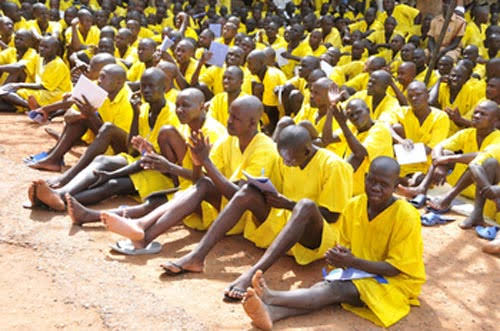
For hundreds of inmates at Moroto Government Prison, finding a decent place to sleep, accessing proper sanitation and securing a speedy trial remain daily struggles, as overcrowding continues to expose them to difficult and degrading living conditions.
More than 600 inmates are currently squeezed into a facility designed to accommodate only 160 prisoners, with nearly 600 inmates sharing just three toilets, according to findings by the Uganda Human Rights Commission (UHRC).
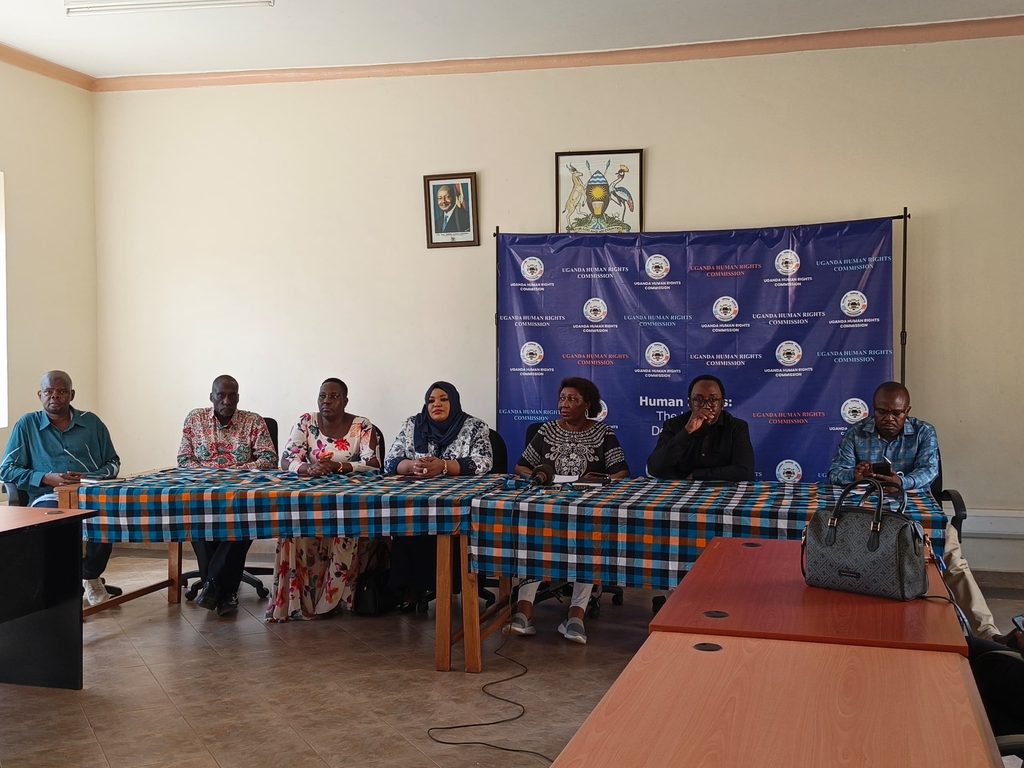
The overcrowding was unearthed on Monday, November 9, 2026, during an inspection of Moroto Government Prison and other detention facilities across the Karamoja Sub-region by officials from Uganda Human Rights Commission.
Leading the delegation, UHRC Chairperson Mariam Fauzat Wangadya described the situation in the male wing as particularly disturbing, saying inmates were forced to sleep in extremely cramped spaces with inadequate bedding and sanitation facilities.
“And then the space for bedding. What passes as a bed is maybe one third of an ordinary medium-sized mattress, one third or a quarter. So, these people sleep like sardines packed together,” Wangadya said.
Wangadya, explained that over congestion at the facilities as an infringement to inmates’ right to health, dignity and access to justice.
Beyond the struggle for adequate sleeping space, many inmates are also facing prolonged detention, with some reportedly spending more than five years on remand without concluding their cases.
The Commission established that at least 150 inmates were facing trial before the Court Martial, which reportedly sits only once a year and handles a limited number of cases, with aggravated murder was among the dominant charges.
Wangadya said for some of the inmates, the long wait for justice is compounded by limited access to legal representation, as many cannot afford private lawyers.
According to her, although the government provides legal representation to suspects facing capital offences, some inmates told the delegation that state-appointed advocates had pressured them into plea bargains, including admitting to offences in exchange for lighter sentences.
“Others claimed they were being held responsible for crimes allegedly committed by different individuals. Some pointed to murder cases in which other suspects had reportedly confessed outside prison, but the alleged perpetrators had not been arrested”, Wangadya said.
The delegation also encountered a 19-year-old inmate who was arrested at the age of 16 and has remained in detention.
Wangadya said inmates facing trial before the Court Martial questioned why they were not enjoying the same bail protections available to suspects appearing before civilian courts, and called for equal access to bail and faster disposal of their cases.
The inspection further revealed that delays in the justice system were not limited to Court Martial proceedings as some cases pending before the High Court had stalled because the relevant case files were unavailable.
Wangadya said some state attorneys had indicated their intention to discontinue certain prosecutions through a nolle prosequi, a formal notice by the Director of Public Prosecutions discontinuing criminal proceedings.
However, the files had not been returned by the DPP by the time the delegation concluded its engagement, leaving the affected inmates in continued detention.
Wangadya added that “by the time that session ended, the DPP had not yet sent back those files. So unfortunately, they have to remain on remand. We wish that those files for nolle prosequi should be expedited,”.
The Commission has pledged to engage the DPP to address the delays and ensure that inmates whose cases are due for discontinuation are not subjected to unnecessary detention.
The difficult living conditions also extend to children growing up behind prison walls.
During the inspection, the delegation found 22 mothers living with their children in a congested section of the facility, where the children had inadequate space to play.
According to Wangadya, the children share meals with their mothers and use the same bathing facilities, raising concerns about their welfare and the environment in which they are growing up.
The Commission also raised concerns about the accommodation of junior prison officers, noting that some lack access to flush toilets and instead rely on pit latrines.
Wangadya attributed the persistent congestion partly to population growth, observing that many of Uganda’s prisons were constructed during the colonial era when the country’s population was considerably smaller, with little corresponding expansion to accommodate the increasing number of inmates.
She called on the government to construct additional prison facilities and expand existing infrastructure to address the overcrowding and improve conditions for both inmates and prison staff.
To ease pressure on the country’s prisons, Wangadya also urged authorities to consider alternatives to imprisonment for minor offences that ordinarily attract fines or community service.
She further encouraged the use of plea bargaining to expedite criminal proceedings and reduce the number of people spending years on remand.
