
By Alexander Mackey Okori
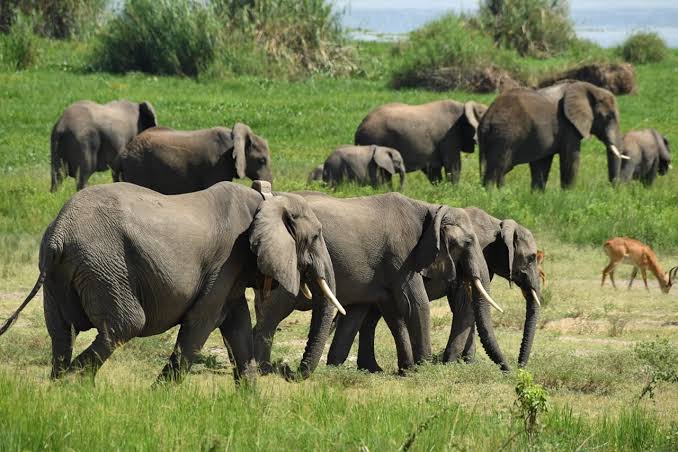
Communities in Kaabong District, living near Kidepo Valley National Park are in fear with many unable to attend to their gardens following continued attacks by stray elephants from the Park.
According to residents elephants raid gardens and eat their crops, charging at those who try to scare them away.
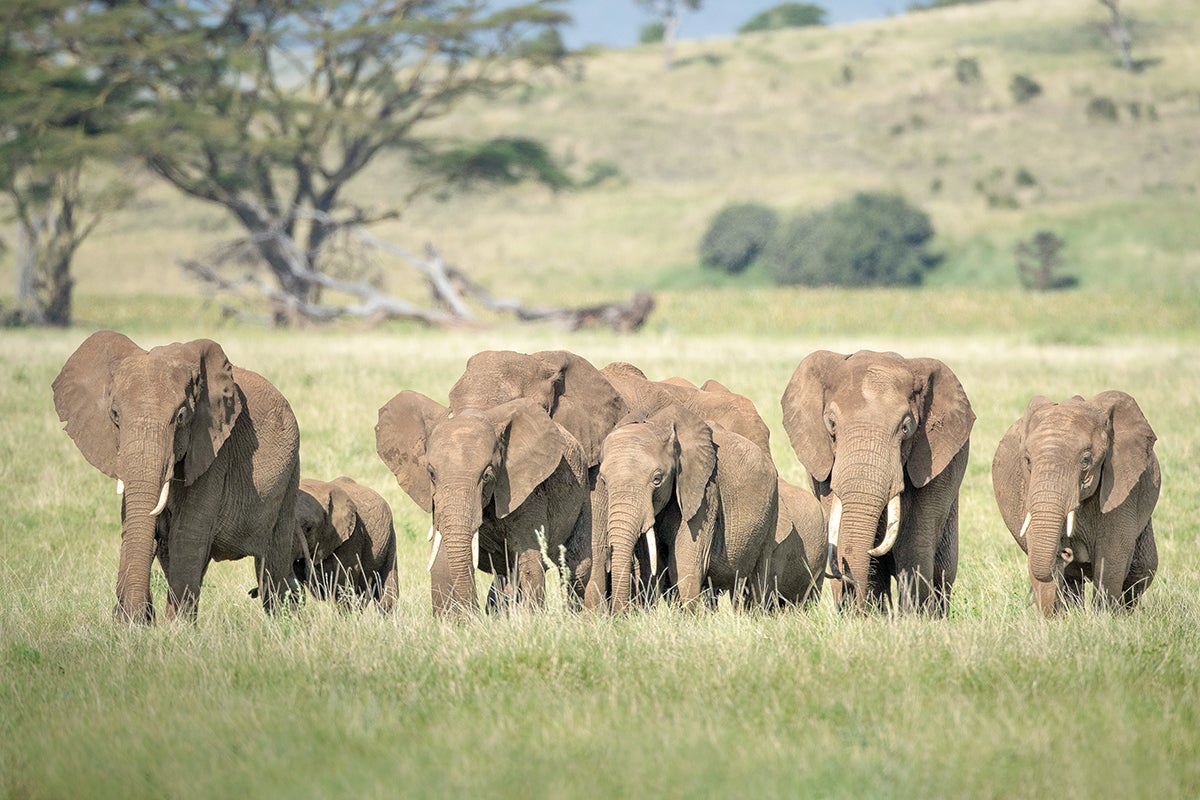
For years stray elephants have continued to destroy people’s crops, and kill people in the areas near Kidepo Valley National Park, leaving others seriously injured.
On Saturday, June 27, 2026, Peter Achilla Chanamoe, aged 59, a peasant and resident of Kopoth village, Longaro parish in Sidok Sub County was killed by an elephant that had wandered out of Kidepo Valley National Park.
Sam Ouma Lolem, the LCII Chairperson of Longaro Parish, said the victim was attacked at around 6:30 p.m, on his way home from the garden where he had gone to guard his maize from wild animals like monkeys and elephants.
“Achilla Chanamoe’s body was discovered on Sunday June 30, 2026, by his relatives who got concerned about his whereabouts’, Lolem stated.
According to Lolem, the stray elephants invaded the area two weeks ago and that several attempts by the locals to chase them away by banging metallic containers, shouting, blowing trumpets, and using torch lights have failed to yield positive results.
He accused the Uganda Wildlife Authority of not allegedly doing enough to save them from the misery inflicted on them by the animals.
“The game rangers are always slow in responding to our pleas for help whenever the elephants invade their gardens”, Lolem claimed.
Cue 30602026 Lolem Eng/Nga
SP Narusha Kalisto, the Kidepo Regional Community Liaison Officer, who also serves as Acting Regional Police Public Relations Officer, said the incident was reported to police by the GISO of Sidok Sub County, Lolwang Maxson.
He added a team of police officers and Wildlife Authority then visited and processed the scene and that deceased’s body was taken to Kaabong General Hospital mortuary for examination.
Narusha discouraged members of the public against moving alone especially when they are intoxicated, noting that the alcohol smell makes the elephants wild.
When contacted, Hangi Bashir, the UWA Spokesperson, acknowledged the complaints of the locals, but said they are being addressed in a phased manner.
“Understandably, people are suffering losses due to wild animals that go out of protected areas and damage their crops, sometimes injured people, and in the worst cases, people also die. It’s unfortunate. Certainly none of us wants to see this happening, and we are equally sad about it” he added.
He explained that they are putting out measures to contain the problem animals and called for patience among communities living near the Park.
Bashir observed that in October, 2025, the government through the Ministry of Tourism and Antiquities launched the construction of an electric fence around Kidepo Valley National Park, aimed at reducing human-wildlife conflict and enhancing community safety in the surrounding areas” Bashir.

“We are building an electric fence specifically at animal’s problem hotspots. We are asking people to be patient with us because this is something which you cannot do in just one financial year”, he added.
Bashir expressed confidence that the electric fence, once complete, will go a long way in reducing human-wildlife conflict and promoting peaceful coexistence between humans and animals.”
Human-wildlife conflict has long been a challenge in areas bordering national parks, with communities reporting frequent crop destruction, livestock attacks, and occasional injuries caused by wild animals.
