
By Wendy Awor
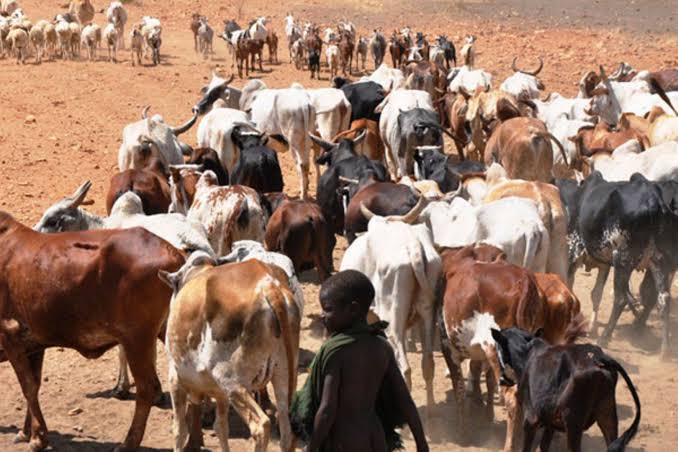
The police and leaders in Kotido District have sounded an alarm over continued use of young children as herdsmen across the district, warning that the practice exposes minors to armed cattle raiders.
Speaking during in an interview with this reporter recently, Corporal (Cpl) Kalisto Longole, the district Community Liaison Officer said that many parents have pulled their children out of school to turn them into shepherds, prompting security agencies to propose that local governments enact ordinances to outlaw the practice.
According to Longole, in Karamoja communities, sending young children to herd cattle is traditionally seen as a way to teach resilience and cattle-keeping skills, but Longole emphasized that children’s safety should take priority.
He described the deployment of children as young as seven years to graze animals in open rangelands as a ticking time bomb for their safety.
Longole linked livestock to bank money, which is guarded twenty four hours, calling on the parents to take sole responsibility of grazing and guarding their animals instead of exposing the children to the hazards of herding.
He warned that parents who give children to graze animals subject them to child labour and shall be arrested and prosecuted.
William Loturukana, the LCIV Councillor representing Kotido Central Division at the district council, urged parents to prioritise their children’s education, describing it as the most valuable assets parents can give their children, unlike material wealth that can easily be lost.
Loturukana cautioned parents against keeping children out of school to look after livestock, saying such practices deny them opportunities to acquire knowledge and skills needed to improve their livelihoods.
He further called for a change in attitude among parents, urging them to balance livestock management with their responsibility to ensure children remain in school.
The call comes amid growing concerns over the safety of children in Karamoja, where cattle raids and armed violence continue to pose risks to communities, particularly those living in remote pastoral areas.
