
By Moses Lokeris
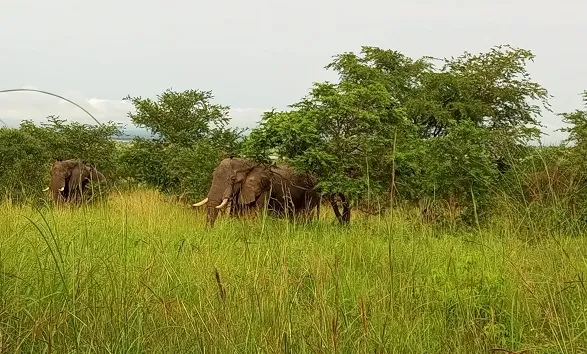
A section of Kotido district is urging the Uganda Wildlife Authority (UWA) to expedite compensation of people injured or killed, crops and property destroyed by wild animals.
Data obtained by our news desk, indicate that the Uganda Wildlife Authority (UWA) has received more than 2,000 compensation claims from victims of human–wildlife conflict across the districts of Kotido Abim, Karenga, Kaabong, Agago, and Kitgum, with over half of the verified claimants already paid.
John Makombo, the UWA Commissioner in charge of Biodiversity Management, said the claims stem from incidents involving wildlife attacks that have caused deaths, injuries, and destruction of crops and property in communities living near protected areas.
However, during the multi-stakeholders engagement meetings held in the Sub-counties of Napumpum, Kamor, and Panyangara between Thursday and Friday, the leaders raised concern over what they describe as lengthy, costly and cumbersome procedures for accessing compensation from the Uganda Wildlife Authority (UWA).
Moses Lokol, the LC3 Chairperson of Kamor Sub County in Kotido District, said delays or failure to compensate communities affected by wildlife-related incidents are largely contributing to the increasing levels of poaching in the area.
According to him, some residents who lose crops, livestock, or other property to wildlife often become frustrated when their compensation claims are delayed or not addressed, pushing some of them to turn to illegal hunting as an alternative source of livelihood.
“There is need for Uganda Wildlife Authority (UWA) to speed up the compensation process and ensure that legitimate claims from affected communities are handled promptly”, Lokol remarked.
He also called on UWA to establish a clear and accessible channel through which communities living around the game reserves in Kotido can report wildlife-related cases, follow up on compensation claims, and seek timely assistance.
“Strengthening communication and addressing community grievances would help build trust between UWA and local residents and contribute to reducing poaching and other illegal activities in the reserves”, Lokol explained.
Peter Loputh, the Napumpum LC3 Chairperson echoed similar sentiments stating that Peter Loputh, the LC3 Chairperson of Napumpum Sub-county in Kotido District, residents frequently suffer injuries from attacks by wild animals, yet many victims do not receive the compensation they are entitled to.
Loputh added that “although the government has provisions for compensating people affected by wildlife-related incidents, the process often remains unclear and frustrating for victims and their families”.
“Some residents have reported cases of injury and property damage, but their compensation claims appear to disappear without clear explanations or follow-up”, Loputh explained.
He called on UWA authorities to strengthen the compensation system, ensure that affected residents are properly documented, and provide timely updates on the status of their claims.
In response Isiah Bwire, the Chief Warden Pian-Upe Conservation Area explained that the compensation process begins with verification and assessment of damages, injuries or deaths caused by wildlife.
He said that after the assessment, victims or their families submit claims, which are reviewed by a verification committee appointed by the UWA Board of Trustees before approval for payment.
According to him, under the compensation framework, families of victims killed by wildlife are entitled to Shs20 million, while those injured can receive up to Shs15 million depending on the severity of the injuries, while compensation for crop destruction is calculated based on district valuation rates.
