
By Cindrella Atenyo
Media practitioners across the Karamoja Sub-region have been challenged to move beyond reporting the region through conflict, poverty and suffering, and embrace constructive journalism that promotes investment, reconciliation and development.
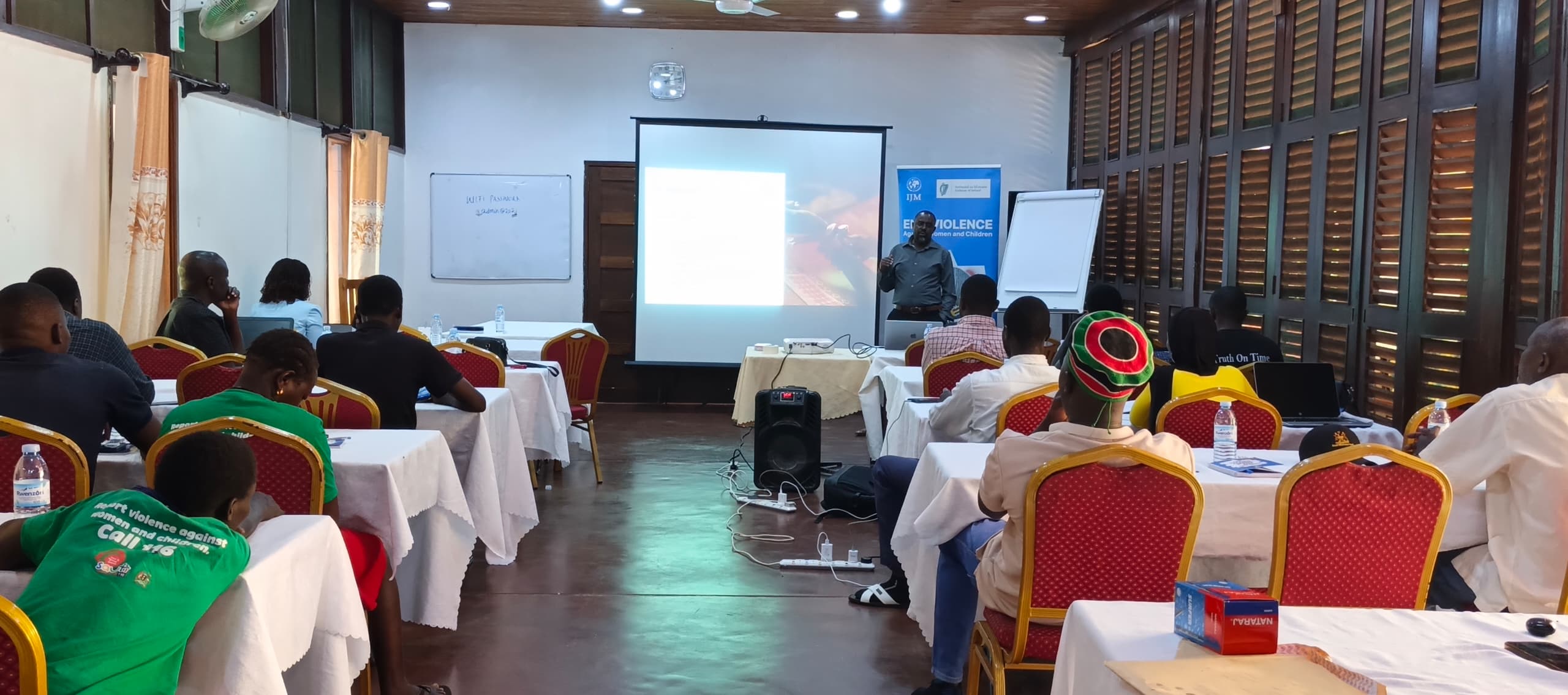
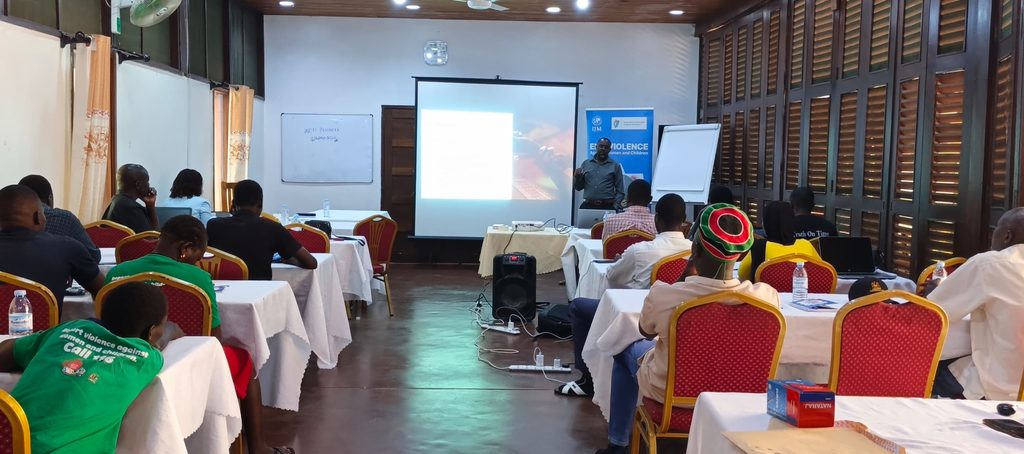
The call was made by Moroto Assistant Resident District Commissioner, Mark Aol Musoka, during a trauma-informed and survivor-centred journalism training organised by the International Justice Mission (IJM) at Mt Moroto Hotel on Tuesday, November 17, 2026.
Musoka said negative media portrayals of Karamoja, noting that in the past had discouraged potential investors and created a perception that the region had little to offer.
He noted that Karamoja has made significant progress in infrastructure, security and economic development, including improved road connectivity, establishment of factories and new hotels, but argued that such developments remain underreported as media practitioners focus on reporting about negative things.
Recalling his time as Moroto District Chairperson, Musoka said businessman Sudhir Ruparelia had once expressed reluctance to invest in Karamoja because of its negative image.
He, however, cited the subsequent development of Hotel Africana following a visit by Mzee Ibrahim Mohamed Chibirige in 2013 as an example of how positive perceptions can attract investment.
On gender-based violence, Musoka called for increased counselling and rehabilitation programmes targeting couples, young people and single mothers, saying years of conflict and insecurity may have contributed to violence within families.
Meanwhile, IJM Regional Communication Manager for Africa, Joseph Kariuki, urged journalists to strengthen accountability reporting on issues such as child marriage and gender-based violence, saying media coverage should go beyond exposing abuses to following up with duty bearers until survivors access justice and protection.
Journalists at the training also called for stronger collaboration between the media, security agencies and local leaders to improve accountability and ensure stories generate lasting action.
New Vision journalist Olandason Wanyama observed that many community stories lose public attention shortly after publication, proposing joint engagements involving police, Resident District Commissioners, Community Development Officers and local councillors.
Similarly, Uganda Radio Network journalist Eyoku Godfrey urged IJM to strengthen partnerships with local radio stations, saying they are better positioned to capture community experiences and sustain follow-ups on issues affecting Karamoja.
The training comes against the backdrop of persistent violence affecting women and children in the region.
According to IJM’s 2024 baseline study, 55 percent of ever-partnered women experienced physical or sexual intimate partner violence during their lifetime, while 30.3 percent experienced domestic violence.
The study further indicates that 58.6 percent of children experienced sexual abuse in their lifetime, with girls three times more likely to experience sexual violence than boys.
