
By Alexander Mackey Okori
Government has allocated Shs50 billion for emergency food relief in Karamoja, with the funds drawn from the national emergency fund established under the Constitution and the Public Finance Management Act.
The good news comes announced on Tuesday, July 14, 2026, by ICT and National Guidance minister Justine Kasule Lumumba, at a time when Uganda is experiencing above-average temperatures with serious implications for food production, agricultural output, household incomes and public health.
ICT and National Guidance minister Justine Kasule Lumumba said the prevailing conditions are already affecting livelihoods, contributing to reduced household incomes and rising food prices across the country.
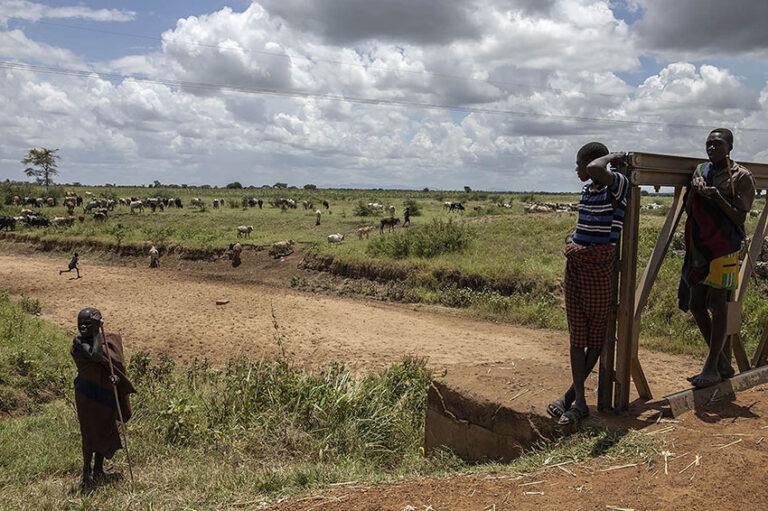
The situation has been most severe in the Karamoja sub-region, where authorities have confirmed deaths linked to the crisis.
“The prevailing temperature outlook for July 2026 is expected to be higher than average,” said Minister of ICT and National Guidance Justine Kasule Lumumba, attributing the conditions to the ongoing El Nino phenomenon over the equatorial, central and eastern Pacific Ocean.
Above-average temperatures forecast for July pose significant risks to livelihoods, agriculture and the broader economy, with the anticipated heat likely to reduce agricultural production, worsen food insecurity, strain water resources, and increase cases of heat-related illnesses, waterborne diseases and malnutrition, said Lumumba.
She warned that the prolonged dry conditions could also reduce household incomes, fuel conflicts over scarce water and pasture, and drive up food prices.
However Lumumba believes that the intervention of Shs50 billion for emergency food relief will provide immediate support to affected communities, including families that have lost loved ones due to the hardships caused by the weather conditions.
“The Uganda People’s Defence Force (UPDF) has been identified as a key partner in the distribution of relief supplies, with officials citing its logistical capacity and presence in the region”, Lumumba stated.
In an effort to reduce the impact of changing weather patterns farmers are urged to adopt climate-smart practices, including efficient water use, supplementary irrigation and better food management strategies.
Lumumba observed that immediate interventions are being implemented to address the effects of above-average temperatures, long-term measures on climate adaptation, infrastructure management and public sector efficiency will continue through proposed policy and legislative reforms.
ALSO READ
https://radioetoil.com/food-rights-alliance-calls-for-urgent-action-as-prolonged-drought-bites/
