
Admin
The exclusion of youths and women, who are not initiated into the elderhood system from decision-making processes, has sparked concerns among a section of youths in Moroto district.
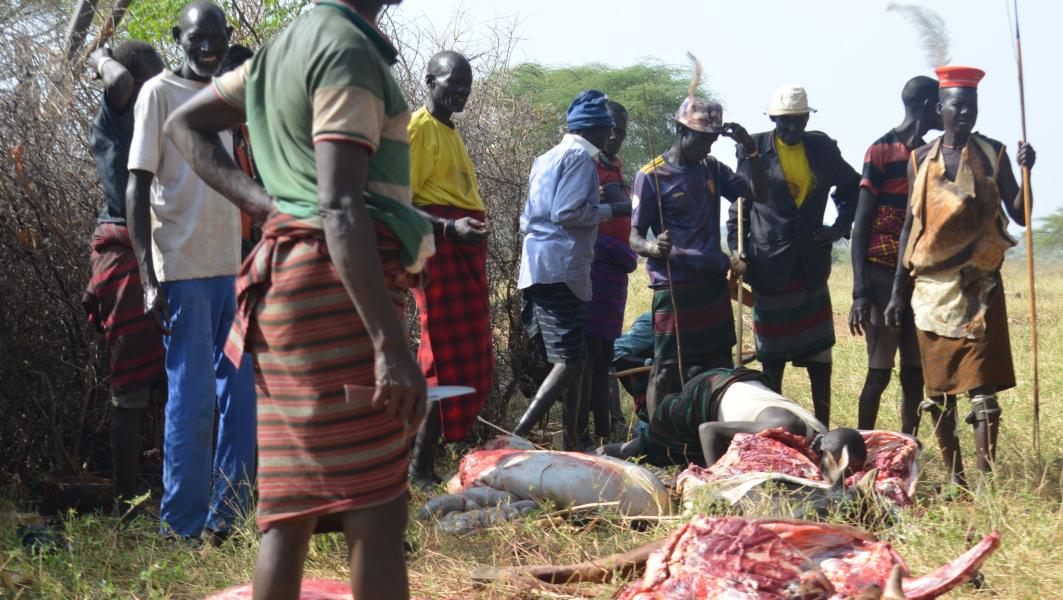
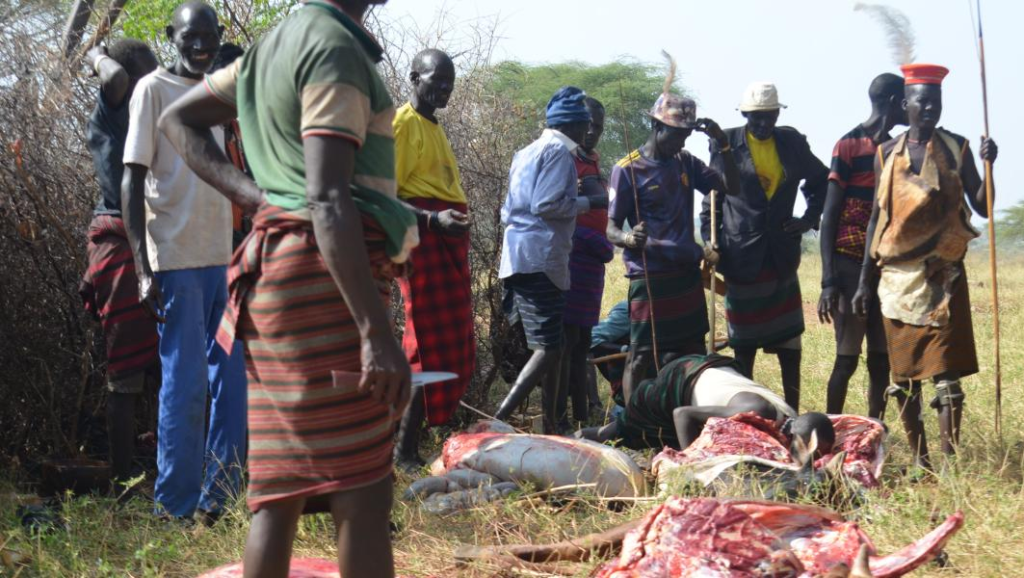
In order for Karamoja men to participate in the Akiriket council, one must undergo initiation process, which involves slaughtering a bull, providing, sorghum, butter, and drinking raw blood mixed with milk.
For an orphan who seeks to be initiated, he is tasked with slaughtering a bull and a goat for the elders for each parent lost, for cleansing, before slaughtering another one for the initiation ceremony.
However, many men, like John Loru, 48, and Bruno Lokuta, 34, have condemned the decision, saying it affects the marginalized group of women and youth because their voices are not considered on matters affecting them, instead, they wait for elders to decide for them.
Lokuta said a youth who is not initiated, shares the same experience as Loru, stating that they are not recognized in society, regardless of their age.
“The decision affects the marginalized group of women and youth because their voices are not considered on matters affecting them; instead, they wait for elders to decide for them”, Lokuta noted.
Loru lamented that he’s rendered powerless and can’t communicate with elders, missing out on privileges like eating certain animal parts.
According to Loru only men who are initiated have the right to participate and talk to elders on matters concerning the community.
“There are many privileges that they miss out on, including eating some parts of the animal killed. Men who are not initiated are often given parts like the ribs to eat, and the beef is left for those who are initiated”, Loru added.
Luke Aleper, 32-years-old, from Nariamarege village in Loputuk sub-county, who one of the youths who were initiated on Sunday, February 22, 2026, after offering a bull to the elders, explained that his initiation only grants him opportunities to sit at the elders’ council but not to speak or object to decisions passed from the Akiriket.
Aleper said that although he is still a youth, the initiation puts him at the level of elders, and whatever communication he makes should be through the elders’ forum.
“I can only encourage other youths to join the initiation and be part of the elders’ council, but not to advocate for their rights”, said Aleper, noting that he is only allowed to speak on general issues concerning the community and not specifically on youth issues.
However, the elders insist that youth inclusion in decision-making at the shrines, locally known as Akiriket, does not matter, arguing that all decisions made from the Akiriket are for the general community and are not segregated based on gender or individual category.
Dominic Lokiru, one of the elders who led the initiation program at Kanakomol village, said that the initiation enables the youth to understand the culture better.
Lokiru explained that “The youths who were initiated can now qualify to sit in the council of elders and perform duties at the Akiriket”, warning that only elderly women and youths who underwent the initiation process shall be allowed to step into that shrine.
“The two categories shall attend the Akiriket and listen to the proceedings, but shall not make any decisions. Elderly women shall be assigned some duties at the Akiriket, while those in the youthful age are highly prohibited from the Akiriket”, Lokiru stated, warning that those who are initiated should not be allowed to eat food using a broken plate or cup.
SOURCE: URN
Do you want to send us a story? SMS or Call +256-787-551-001 or WhatsApp +256-770-450-528 or Submit on on email eetoilnewsdesk@gmail.com
