
By Lazaro Apunyo
MOROTO: Women’s International Peace Centre is calling for more inclusion of women in conflict resolution and peace building efforts and decision-making in the Karamoja Sub-region.
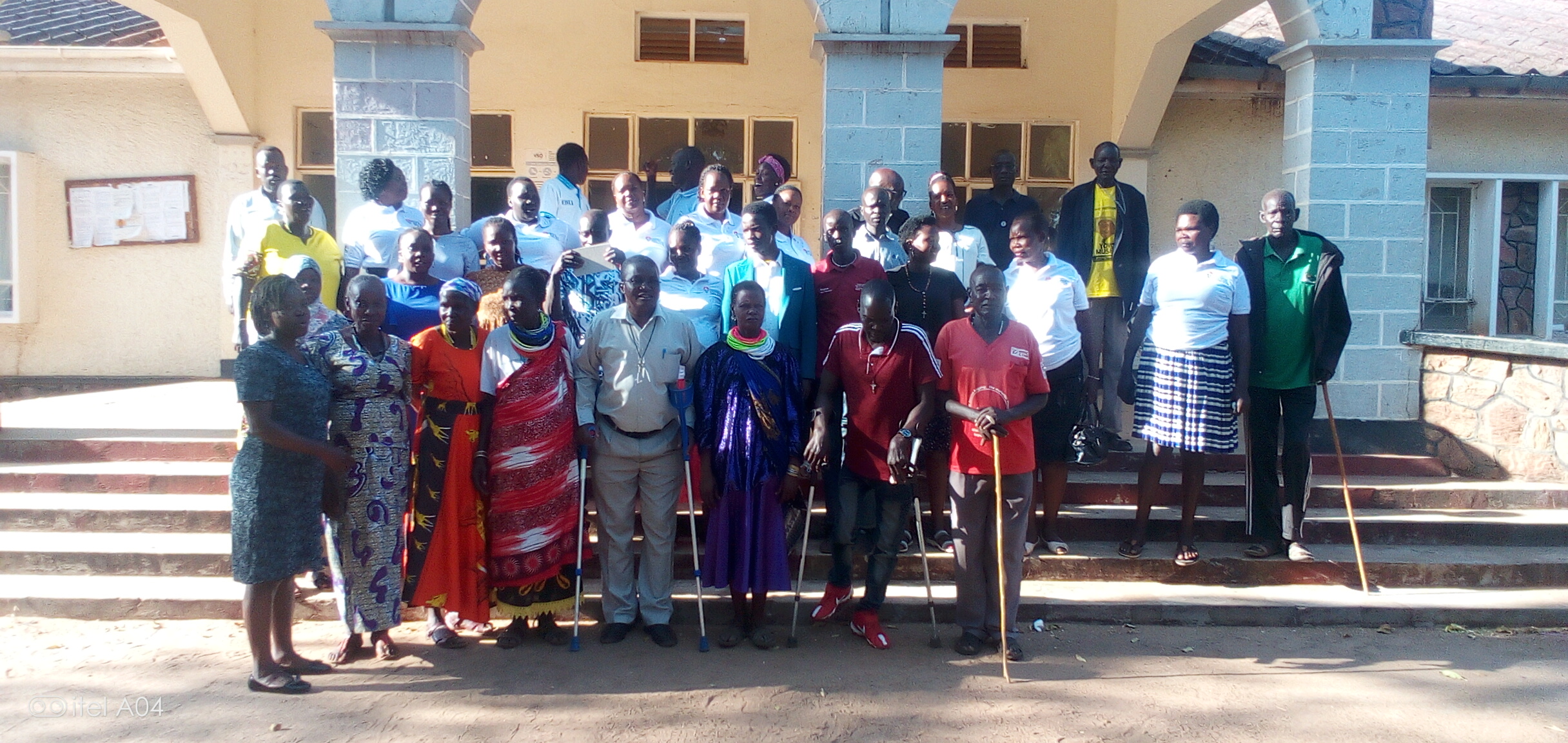
The call to action to ensure women’s full and meaningful participation in conflict resolution and peace building processes was made by Esther Wasagali, Project Officer for Women’s International Peace Centre during women training on conflict prevention and security issues held at Moroto recently.
She said that the Women’s International Peace Centre focuses on inclusion and participation of women affected by conflict in decision-making process, especially in conflict prevention, peace building, and recovery in conflict and post-conflict in East African region including Uganda, DRC, Burundi and South Sudan.
Wasagali highlighted that though progress had been made in improving the participation and leadership of women in peacekeeping settings under the Women, Peace and Security agenda, much more needs to be done.
According to her, women make up less than one quarter of personnel deployed across the Karamoja Sub-region on peace building mission, and less than seven percent of local peace security committees, involved in conflict resolution and consolidation of gains Karamoja has achieved over the past years.
Wasagali observed that the Women, Peace and Security agenda is not just an end in itself, but it is a political and strategic imperative in the organisation’s efforts to create long-lasting solutions to end insecurity in the Karamoja Sub-region.
She highlighted the important role women play in conflict resolution and peacebuilding, noting that women often contribute to more durable peace agreements and are effective in building trust within communities affected by conflict.
“The role of women in leadership and peacebuilding is not an option; it is central to world transformation,” Wasagali stated.
Shs observed that modern security challenges have shifted from traditional state-centred threats to broader human security concerns such as food insecurity, environmental challenges, and social instability.
Regina Nacuge, a resident of Abokat village in Naitakwae parish, Nadunget Sub-county, Moroto Districts urged communities in Karamoja to stay vigilant and support peace building efforts by exposing criminal elements who threaten the region’s hard-won stability.
She emphasised that stability is a vital vehicle for socio-economic transformation in the region.
The LCV Vice Chairperson of Moroto District Stephan Adupa Namer described the training as an important investment in enhancing the role of women in conflict prevention, stabilisation, and peacebuilding across the region.
She urged leaders, elders, and peace mediators to continue sensitising communities about the value of peaceful coexistence.
“The leadership views this training as a great co-investment in enhancing women’s role in conflict prevention, stabilisation, and peacebuilding. We therefore encourage you to carry forward the knowledge and skills acquired from the training and continue serving as exemplary ambassadors of discipline, unity, and peace,” Adupa said.
Highlighting Uganda’s progress in promoting women’s leadership, Adupa noted that several senior government positions are currently held by women, reflecting the country’s commitment to inclusive governance and equal opportunity in national development.
