
By Helen Aguyo
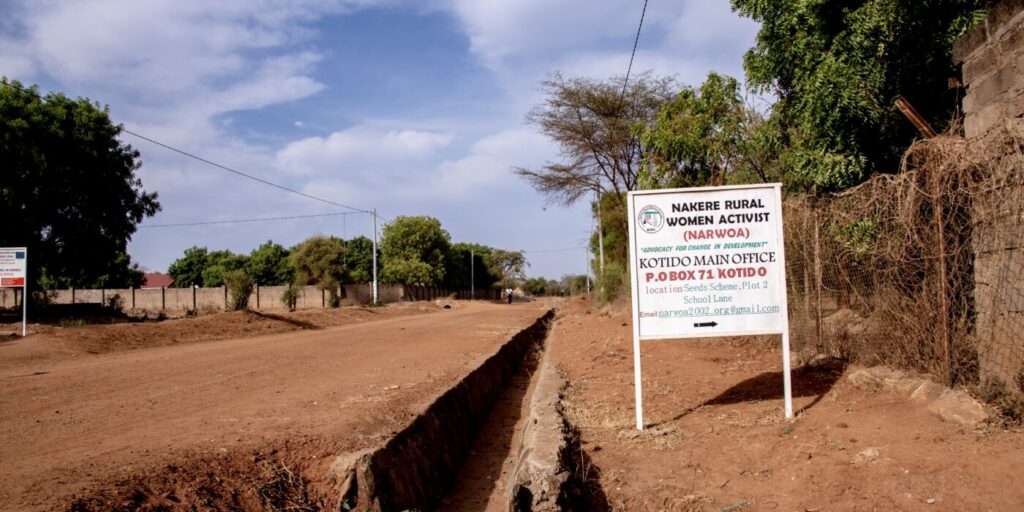
Women activists in Karamoja Sub-region have voiced deep concern about customary practices in Karamoja that continue to undermine women’s land rights, health, and livelihoods.
The Executive Director of Nakere Rural Women Activists (NARWOA), an umbrella Community-Based Organization for women groups, Jessica Ruth Ataa, notes that despite national laws guaranteeing equality, many women in Karamoja Sub-region are still denied the right to own, inherit, or control land due to deep-rooted cultural norms.
Ataa explains that even when women are allowed access to land, they are often restricted from selling it or making key financial decisions, limiting their economic independence.
According to her, denying women land ownership rights contributes to increased vulnerability, especially in the context of climate change, as women make up a significant portion of the agricultural workforce but lack secure tenure security.
“The consequences of landlessness for women are far-reaching and devastating. When women lose access to land, they lose their primary source of income and food production”, Ataa said.
She explained in a country like Uganda where agriculture employs over 70 percent of the female labor force, land dispossession directly translates into economic hardship and increased poverty.
“Without land, women are unable to grow food for their families or generate income through farming. They become dependent on others, often leading to heightened vulnerability to exploitation, abuse, and trafficking”, she warned.
Ataa is now calling for sensitization of men regarding women’s land rights to dismantle deeply rooted masculine norms and customary practices that hinder women from owning, managing, or controlling land.
Hellen Pulkol, the chairperson of Karamoja Women Peace stresses that securing land rights for women is fundamental to food security and household well-being.
She observed that it is women who determine what families eat, what they wear, how children are educated, and many other central aspects of daily life in the home; hence, empowering them is essential for building stronger, healthier, and more resilient communities.
“Women shape what our families eat, how our children grow, and how our homes survive. When you secure a woman’s land rights, you secure the future of an entire household,” said Pulkol.
According to Pulkol, while several laws exist to protect women’s land rights, including the Land Act and the Succession Act, enforcement remains weak as evidenced by a glaring gap between policy and practice, with many women unaware of their rights or unable to assert them due to systemic barriers.
She argued that strengthening legal frameworks alone is not enough; what is needed is a comprehensive and coordinated approach that prioritizes transparency, accountability, and gender-sensitive reforms in land governance.
Additionally, Pulkol highlighted the need for greater investment in legal empowerment programs aimed at educating women about their land rights and providing accessible legal aid services as this can help bridge this gap and empower women to challenge injustices effectively.
Additional reporting by Alexander Mackey Okori
Do you want to send us a story? SMS or Call +256-787-551-001 or WhatsApp +256-770-450-528 or Submit on on email eetoilnewsdesk@gmail.com
