
By Alexander Okori
A cross section of leaders in Karamoja Sub-region have called on the government to deliberately invest in enterprise and practical skill development if meaningful change is to be achieved.
This comes at a time when the Karamoja Sub-region is struggling with absolute poverty, food insecurity, and malnutrition, especially among children and women.
Over the years, the government and developmental partners have put emphasis on introducing micro and macro-economic models to solve socio-economic problems that the people of Karamoja face but no major successes have been achieved.
Despite being rich in minerals, the Uganda Bureau of Statistics (UBOS) report of 2023/2024, ranks Karamoja sub-region as one of the poorest regions in the country with an income poverty rate standing at 74.2 percent up from 65 percent.
This has left the leaders wondering what can be done to change the high rate of poverty and malnutrition in the region endowed with a number of mineral resources.
Paul Lotee, the LCV Chairperson Nabilatuk district, said that “mindset change and livelihood skills development should be the chore of government and development partners’ initiatives towards alleviating poverty amongst the rural population of Karamoja”.
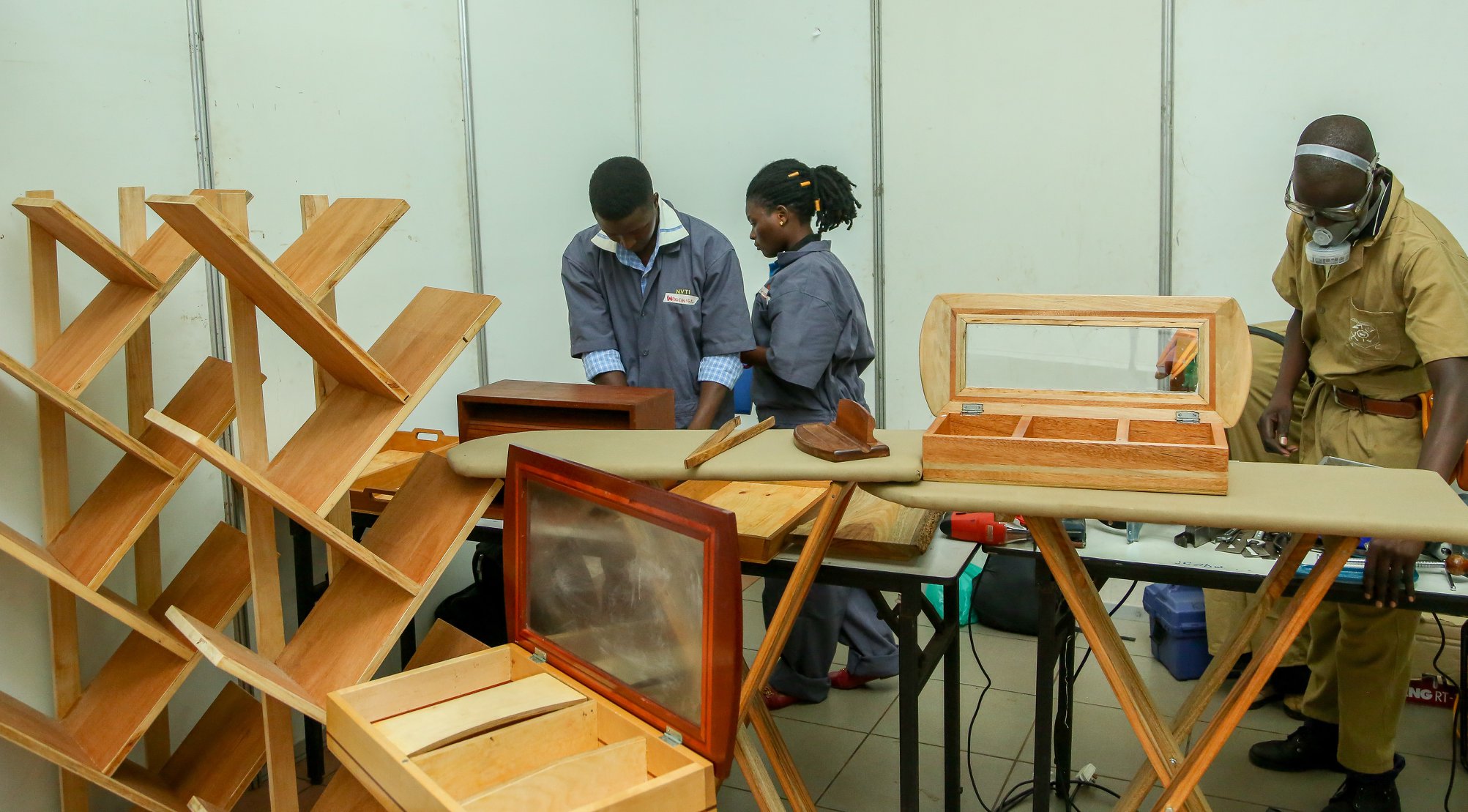
He argued that while current government initiatives to boost household incomes are valuable, focusing on skills development is crucial for empowering communities especially the young people to create their own projects.
“Government initiatives are a good start, but we need more investment in skilling programmes to help our youths start their own ventures,” Lokol”, said.
Joseph Lomonyanga, the former LCV Chairperson of Napak district, blamed the underdevelopment in the Karamoja sub-region on previous governments that he says considered it a remote area.
He described skilling as a key strategy for combating poverty and unemployment., adding that “the youth are vital to our country’s future. We need to focus on empowering them and building their skills so they can create job opportunities for themselves”.
Meanwhile, Elijah Lobur Lokoribok, the LCIII Chairperson of Rengen Sub-County in Kotido district, criticizes the government and development partners operating in Karamoja for not consulting local leaders and residents about the programs being implemented in the region.
He claimed are most of government projects are designed using top-bottom approach without the input of local leaders and community members.
Lobur, explained that this one of the key reasons why most government projects aimed at uplifting local communities have failed to achieve their expected objectives.
“Government agencies should involve local and community leaders in project planning to increase project success, ensure sustainability, and build trust, as their local knowledge and connections are crucial for understanding community needs and fostering ownership”, urged Lobur.
He highlighted that this inclusive approach leads to more effective and equitable development plans by incorporating diverse perspectives and empowering communities to take an active role in their own development.
Also Read:https://radioetoil.com/five-arrested-over-footballers-murder/
Listen to us online via: https://www.radiocomnetu.org/etoilakaramoja
For Advertisement and News call or send SMS to 0787551001 or WhatsApp +256-787-289-992/+256-775-907-140 or email: eetoilnewsdesk@gmail.com/vokradio22@gmail.com
